

Flaxseed – Through a Dietitian’s Eyes
A lenmag, azontúl, hogy elképesztően jó és egyedülálló a tápanyagösszetétele, egy környezettudatos választás is, és joggal nevezhetjük hazai szuperfoodnak! Érdekel, hogy miért? Olvass tovább!
LOCAL SUPERFOOD
Simply put, flaxseed can easily outshine the very popular and far-traveled chia seed — mainly because it grows right here locally. Let’s take a closer look at why this little seed, typical for Central Europe, truly deserves its superfood title!
Fats
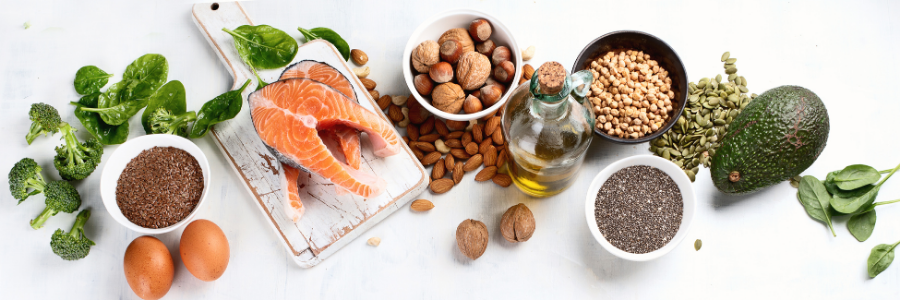
Actually, it’s not just the flaxseed itself I want to highlight, but especially the oil pressed from it. Flaxseed oil is the best plant-based source of Omega-3 fatty acids (alpha-linolenic acid), containing about 60 g per 100 g. Compared to this, the much-hyped chia seed has less Omega-3, and even walnuts — the second-best local source — contain only about half as much.
The Omega-3 fatty acid characteristic of flaxseed is essential for life — alpha-linolenic acid. Ideally, we get this through our diet, because our bodies cannot produce it on their own. Without it, deficiency symptoms can arise.

Why isn’t this info everywhere? Why does everyone only talk about the importance of vitamin C?
- Partly because Omega-3 doesn't have good marketing – but we’re trying to change that right now. :)
- And partly because its deficiency doesn’t hurt, and we don’t feel the consequences immediately. In fact, the real benefits only show up in the long term: it enhances cognitive performance, improves memory, supports the nervous system, reproductive health, etc.
Another essential fatty acid, linoleic acid (Omega-6), is also found in flaxseed oil at around 15%, but we don’t highlight it as much, because this unsaturated fatty acid is present in many other seeds and oils as well — so it's not as unique as alpha-linolenic acid.
FISHING FOR THE OTHER ONE...
In a mixed (non-vegan) diet, regular fish consumption is very important, because the polyunsaturated Omega-3 fatty acids found in fish (especially EPA and DHA) are hardly found in any other foods. Their role is essential — scientifically proven to help prevent disease, support people with autoimmune disorders, and significantly benefit pregnant women’s nutrition. So how are fish and flaxseed related?
The Omega-3 in flaxseed can be converted in the body into the same form of Omega-3 found in fish — first into EPA, then into DHA. This conversion is not very efficient, but still plays a role in cardiovascular health — and vegans should definitely take note of this. Important to know that the average conversion rate is under 10%, even lower in men, and it decreases with age, which is why individualized Omega-3 supplementation is so important.
Carbohydrates
Flaxseed contains virtually no simple carbohydrates, so there’s no need to count its carbs in cases of diabetes or insulin resistance.
Fiber
The total dietary fiber content of flaxseed is around 25–30 g per 100 g, making it an excellent fiber source both in whole seed and ground (meal) form.
However, this high fiber content is also one of the main reasons Omega-3 fatty acids are not well absorbed from either whole or ground flaxseeds. Therefore, for effective Omega-3 supplementation, flaxseed oil is recommended over whole seeds or meal.
Protein
Like all oilseeds, flaxseed is high in protein, containing around 20 g per 100 g – almost as much as chicken breast. However, unlike almonds or pumpkin seeds, we don’t usually snack on flaxseed directly, so it’s best used regularly as an ingredient, for example as an add-in for oatmeal (1 tablespoon per serving is ideal). Its protein and fiber content slows down the absorption of the carbohydrates in porridge. Additionally, the mucilage that leaches out during cooking not only provides health benefits, but also improves texture, giving your breakfast a creamier consistency — and it works great in both sweet and savory dishes.

Health Benefits
The outstanding health benefits of flaxseed have been reported in numerous studies. Its components – not only the fatty acids, but also the fibers and phytosterols – work together to lower blood pressure and blood sugar levels, delay post-meal blood sugar spikes, help prevent metabolic syndrome, and combat inflammation caused by oxidative stress.
Thanks to its phytosterol content (e.g. lignans), flaxseed can reduce cholesterol production and absorption, which makes it an important ally in the prevention and management of cardiovascular diseases.
Recommended Daily Amount
Some compounds naturally present in flaxseed may have adverse effects when consumed in excess. These are known as antinutrients, and among them are a few that require caution (e.g. cyanogenic glycosides, such as linamarin).
That’s why a moderate daily intake – about 1–2–3 tablespoons per day – is recommended.
While the Omega-3 content of flaxseed oil is very important, overuse or exclusive consumption does not provide extra benefits, and in fact, could pose health risks, just like anything consumed excessively.
A balanced daily dose of about 30 g of ground flaxseed and about 10 g (≈1 tablespoon) of flaxseed oil poses no risk whatsoever – and is particularly important in vegan diets.
Due to its high content of unsaturated fats, flaxseed oil oxidizes easily, so it should be protected from heat and light – store it in the fridge.
LISTEN IN!
The FLAXSEED PODCAST is now available on our YouTube channel! English subtitles will be added soon.
