
Seabuckthorn Seed - Through a Dietitian’s Eyes
Before I write anything else about sea buckthorn, let me tell you the most remarkable thing: it contains vitamin B12. Ready for the details?
When plant-based diets became more mainstream, hopefully it also became clear to everyone that the only truly significant risk of this way of eating is vitamin B12 deficiency.
This vitamin plays an essential role in countless physiological processes — from nervous system function to metabolism — so it's crucial that we provide our bodies with enough of it. The problem is that B12 is either absent or only present in trace amounts in plant-based foods.
But there is one remarkable exception: European sea buckthorn, which contains about 30–40 µg of B12 per 100 grams!
To be more precise, the B12 in sea buckthorn comes from a microorganism (a Gram-positive bacterium) found in the seeds, which lives in symbiosis with the plant and produces the vitamin naturally.
For adults, the daily requirement is around 3–4 µg, meaning you’d only need to eat about 10 grams of sea buckthorn per day to meet your needs!
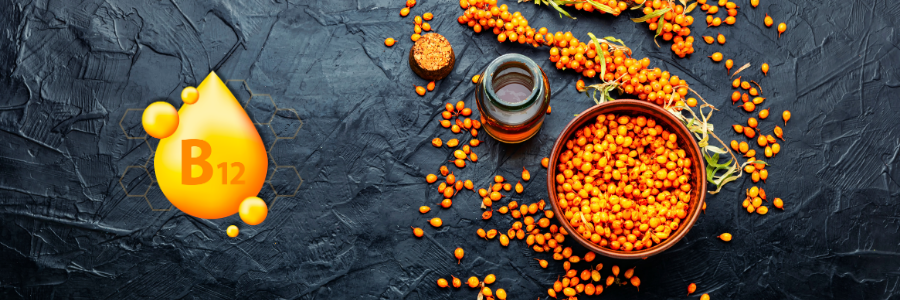
THE SEED AND THE PULP ARE BOTH VITAMIN BOMBS
Let’s take a closer look at what else is packed into this incredible plant — because even those who find its intense flavor a bit much might just fall in love with it after this!
Cold-pressed sea buckthorn seed oil is exceptionally rich in vitamin E (around 30 g per 100 g). This well-known micronutrient is frequently recommended for skin care — both topically and internally — and it’s no surprise that Grapoila recommends sea buckthorn seed oil for cosmetic use as well.
Uniquely in the natural world, sea buckthorn also contains vitamin P, better known as palmitoleic acid, a monounsaturated omega-7 fatty acid. Interestingly, this particular oil isn’t found in the seed — it’s concentrated in the skin of the berry, so it shows up in the fruit oil, not the seed oil.
Palmitoleic acid has been scientifically shown to help with gynecological issues, such as vaginal mucosal inflammation and urinary tract discomfort. It also supports healing of gastrointestinal ulcers, and even promotes faster wound healing. Some studies found it so effective for ulcers that it was used to reduce inflammation at various points along the digestive tract, while also helping to regulate gut motility.
And let’s not forget: sea buckthorn is also high in beta-carotene (the precursor to vitamin A), which plays a vital role in maintaining the health of mucous membranes. Speaking of which — it's worth mentioning its potential for relieving dry eyes! In today’s world, where most of us are constantly staring at screens and exposing our eyes to digital stress, sea buckthorn could be the super remedy your tired eyes have been waiting for.
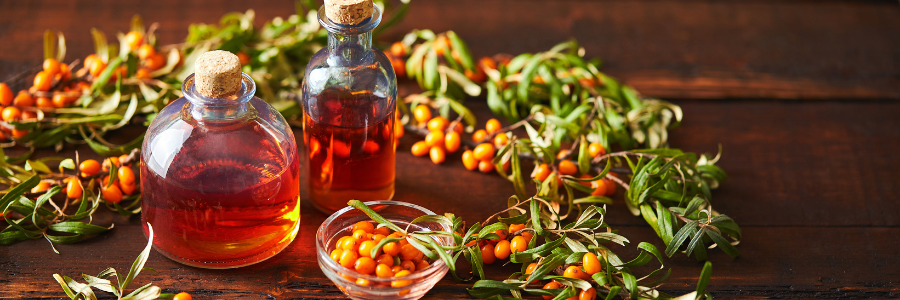
IT'S SOUR — SO DOES IT CONTAIN VITAMIN C?
Yes, it absolutely does!
But since vitamin C is highly sensitive to heat, you’ll only get its full benefits from fresh sea buckthorn — meaning not pasteurized, but rather fermented or picked straight from the branch. That’s when the vitamin C content really shines.
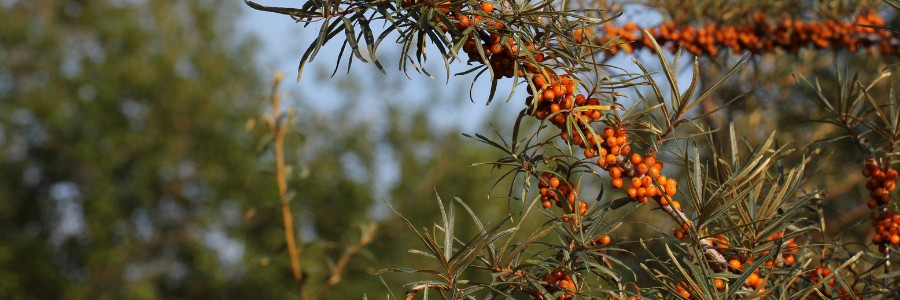
CARBOHYDRATES AND SEA BUCKTHORN
Sea buckthorn contains a natural alpha-amylase and alpha-glucosidase inhibitor, which slows down the enzymes responsible for breaking down carbohydrates. By reducing enzyme activity, it helps delay the digestion of carbohydrates, leading to a more gradual rise in blood sugar levels.
This flatter, more prolonged blood sugar curve can be especially beneficial for those with metabolic disorders, and it may also help support a longer-lasting feeling of fullness after meals.
As for actual carbohydrate content? Sea buckthorn contains barely any — only about 3 g per 100 g. And since the recommended dilution for consumption is 1:10, a generous glass of sea buckthorn juice contains less than 1 gram of carbs — meaning it’s completely safe for people with diabetes to enjoy. In fact, it might even be a smart addition to their diet!
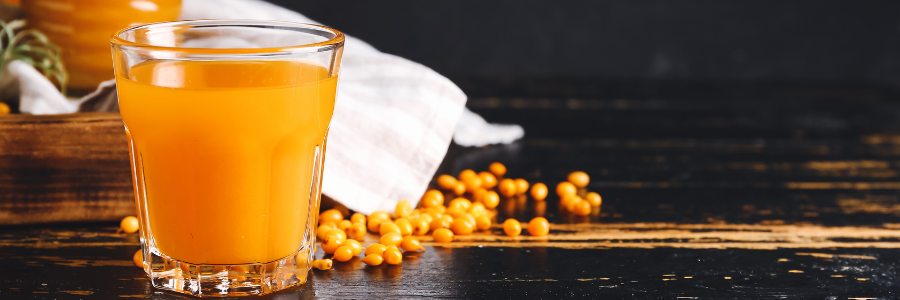
OVERALL HEALTH BENEFITS
For the average person, sea buckthorn might seem like pure magic — it contains an incredible array of vitamins, carotenoids, polyphenols, fatty acids, phytosterols... in short: bioactive compounds with powerful health effects. These include antioxidant, free radical-scavenging, anti-cancer, cholesterol-lowering, anti-obesity, anti-inflammatory, antimicrobial, antiviral, skin-protecting and regenerative, neuroprotective, and liver-supporting properties.
Honestly, it makes you wonder why turmeric became the trendy superfood — sea buckthorn has the same color, after all!
Let’s make this our local superfood trend instead!
In Hungary, many people are prescribed statins to lower cholesterol and protect cardiovascular health. But sea buckthorn naturally contains beta-sitosterol, a plant sterol that may also help reduce cholesterol levels — a gentler, plant-based option worth exploring.
Sea buckthorn has even been studied for its effects on mental health, and findings suggest it may play a significant role in supporting the nervous system — potentially helping in the management of depression, and even improving memory and cognitive function.
It’s also worth trying for those struggling with allergies or overactive immune responses, as immunological studies have shown it can lower histamine levels. Positive effects have also been reported in eczema, and it may help reduce symptoms of asthma as well as act as a natural blood thinner.
Important: Sea buckthorn, in any form, is not a substitute for medically prescribed treatment. All information here is general and does not replace personalized medical or dietary advice.
LISTEN IN!
The SEABUCKTHORN SEED PODCAST is now available on our YouTube channel! English subtitles will be added soon.
