

Aprikot Kernel - Through a Dietitian’s Eyes
It rightfully holds its place among oilseeds, as it has a high (~50%) fatty acid content — rich primarily in monounsaturated and polyunsaturated fats, which may support cardiovascular health.

As with most oilseeds, apricot kernels also rank among the top three plant-based protein sources—alongside legumes and grains—since they contain around 25 g of protein per 100 g.
Their carbohydrate content, however, is relatively low, about 12–14 g per 100 g, and they contain 5–7 g of fiber per 100 g.
In line with Grapoila’s zero-waste philosophy, we usually produce multiple products from a single seed (typically oil, flour, and cream). However, in the case of apricot kernels, only the oil is currently available, as the apricot kernel flour is now used as a base ingredient for a uniquely delicate vegan chocolate (luckily, I still have a little tucked away in my freezer from before the chocolate days).
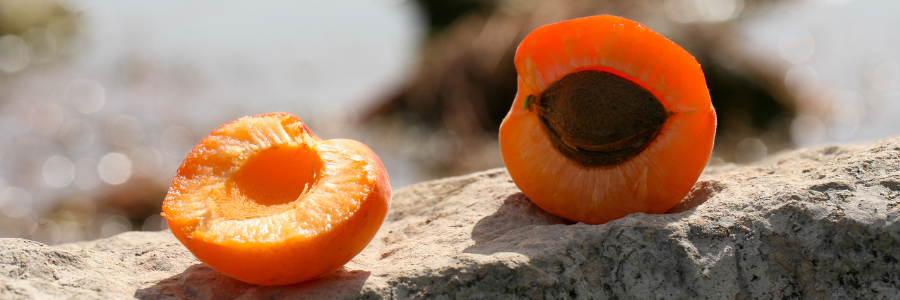
THE BENEFICIAL EFFECTS OF APRICOT KERNELS
Apricot kernel oil is, naturally, 100% oil: 7.8% saturated fatty acids, 63% monounsaturated, and 29% polyunsaturated fatty acids.
When it comes to oilseeds, dietitians have two favorite topics:
– fatty acid composition, and
– unique, health-supporting phytonutrients.
These two categories are special because plant-based sources are always rich in unsaturated fats and packed with antioxidants, which play a role in preventing numerous diseases (cardiovascular issues, cancer, oxidative stress, inflammation, diabetes, and other lifestyle-related diseases) and in neutralizing free radicals produced by our lifestyle and environment.
These are the positive effects that help the body fight the formation of cancer cells. Thanks to them, we can occasionally enjoy a delicious grilled steak, for example — because these bioactive compounds help counteract the harmful substances.

The apricot kernel contains nearly 90% unsaturated fatty acids, with only about 10% saturated fats. Among the monounsaturated fats, it contains oleic acid (omega-9), and among the polyunsaturated fats, the essential linoleic acid (omega-6). It practically has no omega-3 content.
It is not suitable for baking or cooking, and I wouldn’t want to mask its pleasant flavor when preparing food.
The apricot kernel has strong antioxidant capacity, thanks both to its unsaturated fats and other active compounds:
-
Vitamin E: plays a role in protecting cell membranes, supports the immune system, and is generally a powerful antioxidant.
-
Phytosterols (e.g., β-sitosterol): may reduce cholesterol absorption in the intestines, have anti-inflammatory properties, and play a positive role in prostate health.
-
Polyphenols: involved in cell protection and combating free radicals; in trendy terms, they have anti-aging properties.
-
Squalene: a natural antioxidant and skin-protective compound also found in olive oil. It may help maintain skin hydration and protect against harmful rays—acting as an internal sunscreen, especially useful in summer.

THE FACTS
And here comes the “But”!
Amygdalin (also known as B17 or Laetrile) is one of the most controversial compounds in the food industry. Some claim it has anti-cancer effects, but this has not been scientifically proven. There is no strong clinical evidence, especially regarding human consumption—at best, there are in vitro (laboratory cell culture) studies or some animal experiments that suggest possible positive effects, but no conclusive evidence in humans.
Amygdalin converts into cyanide in the body, which is a potent cellular toxin, so it’s important to adhere to the recommended consumption amounts stated on packaging.
Bitter apricot kernels contain particularly high levels of amygdalin, whereas sweet varieties have much lower levels. Grapoila’s apricot kernel oil is made exclusively from sweet Gönci apricot seeds, with negligible amygdalin content, but it’s still advisable to stick to the recommended daily amount: 1 tablespoon per day.

WHY IS APRICOT KERNEL OIL “BETTER” THAN ALMOND OIL?
Unlike almonds, apricot kernels come exclusively from Hungarian sources—unfortunately, almonds are only grown in very small quantities here. Apricot trees require much less water than almond trees. Apricot kernels can also be a by-product of pálinka (fruit brandy) and jam production, so by pressing oil from them, we save a perfect and valuable food from becoming waste.

FOOD SAFETY CONSIDERATIONS
The European Food Safety Authority (EFSA) has issued a warning regarding apricot kernel consumption. According to EFSA, it is considered safe for an adult to consume a maximum of 1–2 bitter kernels per day, while even 0.5 kernels can be toxic for children. Therefore, it is very important to only consume kernels and oils from reliable sources.
